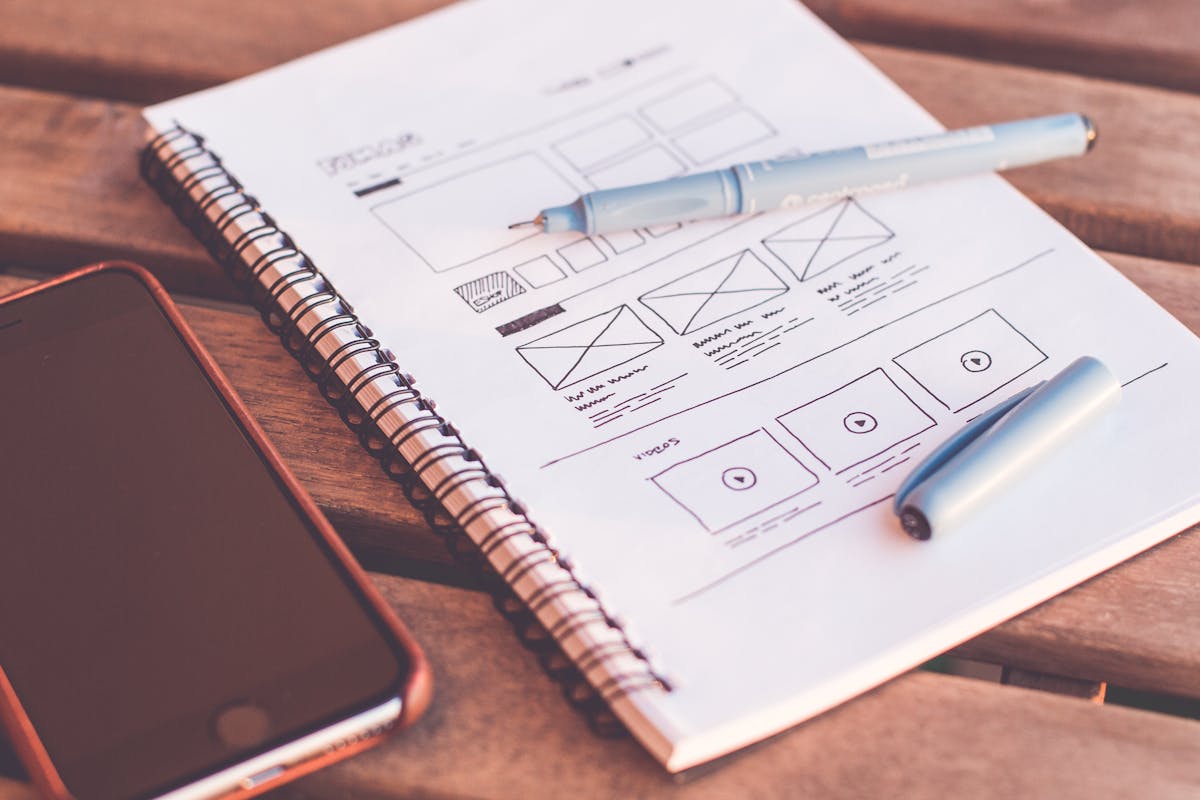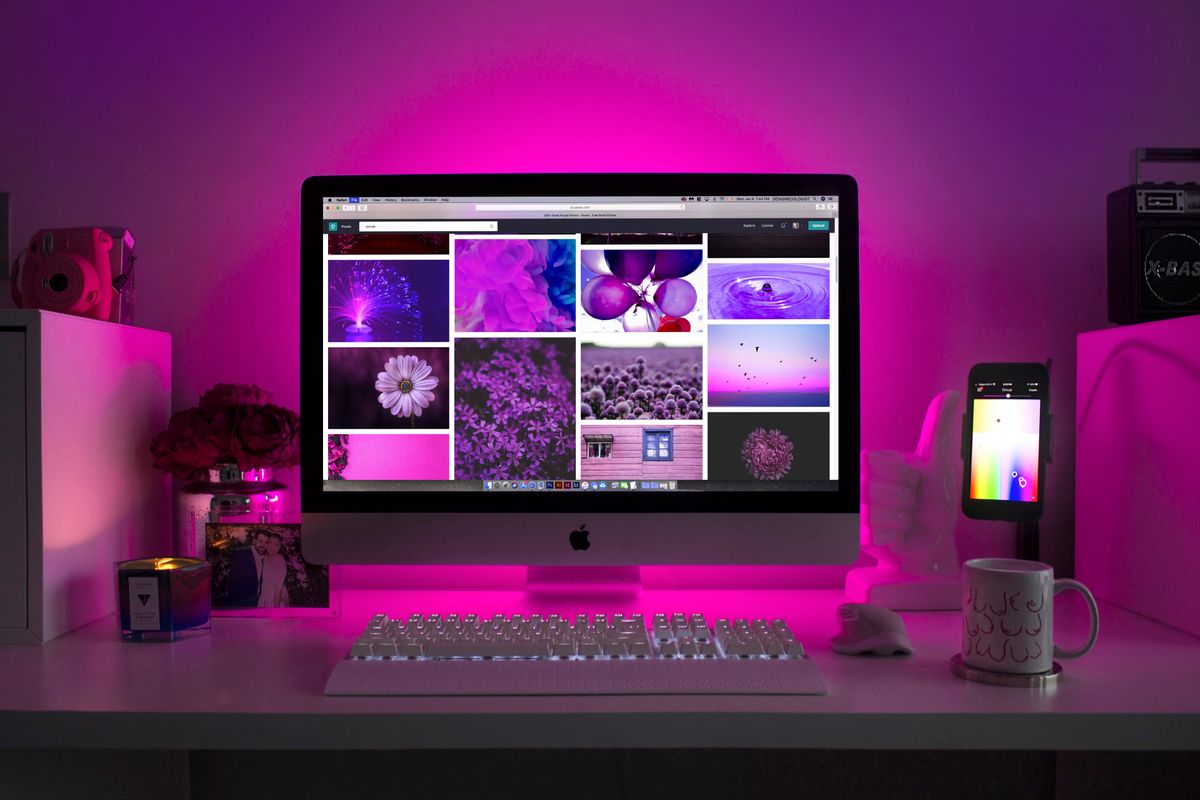
Your portfolio is your most powerful sales tool. Before a potential client reads a single word you write, they judge your credibility by what they see — and if your portfolio fails to impress in the first few seconds, they move on. Building a web design portfolio that actually wins clients is not about stuffing it with every project you have ever touched. It is about making smart, strategic choices that position you as the right person for the job.
Why Most Web Design Portfolios Fail to Convert
Most designers make the same mistakes: they show too much work, explain too little, and give visitors no reason to take action. A portfolio is not a gallery — it is a sales document. Every element needs to serve a purpose, from the projects you choose to highlight to the copy you use to describe your process.
If your portfolio is not generating inquiries, one of these factors is likely the culprit:
- Featuring weak or outdated work because you feel obligated to show volume
- Missing context around the projects — no goals, no results, no story
- No clear call to action telling visitors what to do next
- Slow load times or a layout that looks broken on mobile
Fixing these issues is simpler than you might think, but it requires being intentional about every decision you make.
Choose Quality Over Quantity Every Time
Five exceptional case studies will outperform twenty mediocre screenshots every single time. Clients do not scroll endlessly through a portfolio — they scan quickly, and they stop when something catches their attention.
Start by auditing everything you have. Pull together every project, then ruthlessly cull anything that:
- No longer represents the quality of work you want to do
- Was completed more than three to four years ago unless it is still exceptional
- Does not align with the type of clients you are trying to attract
If you are just starting out and your portfolio is thin, create spec work. Pick a real business in your niche and redesign their website, then document your process and reasoning. Client work is ideal, but strong spec work beats weak real work any day.
Craft Case Studies That Tell a Story
A screenshot of a finished website answers one question: what does it look like? What clients actually want to know is whether you can solve their problem. Case studies answer that question.
The Structure of a Compelling Case Study
For each project in your portfolio, include:
- The challenge — What problem did the client face? What were their goals?
- Your process — How did you approach the project? What decisions did you make and why?
- The outcome — What were the results? Metrics, client feedback, and before-and-after comparisons are gold here.
- Your role — Be specific about what you personally contributed, especially on team projects.
Even if you cannot share performance data due to confidentiality agreements, you can describe the qualitative outcome. Phrases like “redesigned checkout flow to reduce friction” or “created a visual identity that aligned with the client’s premium positioning” communicate real value without needing hard numbers.
Design Your Portfolio Site With the Same Care You Give Clients
Your portfolio website is itself a piece of your work. If it loads slowly, looks generic, or is difficult to navigate, you are sending a signal to prospective clients before they ever reach your case studies.
Understanding the difference between web design vs web development matters here — your portfolio should demonstrate strong visual design judgment, clear information architecture, and smart UX, regardless of whether you personally coded it. Clients want to see that you apply the same standards to your own site that you would apply to theirs.
Key design principles to apply to your own portfolio:
- Use generous white space to make your work the focal point
- Keep navigation simple — work, about, and contact are usually enough
- Ensure fast load times, especially on mobile, since clients will check on their phones
- Use typography and color intentionally to reflect your design sensibility
Write an About Page That Builds Trust
Most designers write about pages that read like a resume. That is a missed opportunity. Your about page is where prospective clients decide if they like and trust you enough to start a conversation.
Write in first person, be specific about who you help and what you help them achieve, and let some personality come through. Explain your approach to design, what values guide your work, and what kinds of projects you find most rewarding. A photo of you — a real, professional one — dramatically increases the sense of connection.
Optimize for the Right Visitors
A portfolio that ranks for the right search terms generates warm inbound leads while you sleep. Think about what your ideal client would type into Google when they need someone like you. Long-tail keywords tied to your niche, location, or specialization are often far more valuable than chasing broad terms with enormous competition.
Your web design services page should be a separate, conversion-focused page distinct from your portfolio. The portfolio shows what you can do. The services page explains what you offer, who it is for, and how to get started.
Ask for Testimonials Strategically
Social proof is one of the most powerful conversion tools you have. After completing a project, ask your client a specific question rather than a generic “would you leave a review?” prompt. Something like: “What was the biggest result or change you noticed after we launched the new site?” tends to surface more compelling, specific answers that resonate with future clients.
Place testimonials near your calls to action, not buried at the bottom of an about page nobody reads.
Make It Easy to Take the Next Step
Every page in your portfolio should have a clear, friction-free path to contact you. Do not make prospects hunt for your email address. A simple contact form, a direct email link, or a booking link for a discovery call — all of these work. What does not work is making someone click three times to find out how to reach you.
Consider adding a brief lead magnet or newsletter signup to capture visitors who are interested but not yet ready to hire. Building an audience of potential clients gives you a warm pool to draw from when you are ready to take on new work.
Building a web design portfolio that converts takes honest assessment of your work, a commitment to storytelling, and the discipline to treat your own site as seriously as any client project. Get those fundamentals right and your portfolio becomes an asset that works on your behalf every day.
Ready to take your web presence to the next level? Subscribe to the BlogTheMachineMachine newsletter for weekly insights on design, SEO, and growing a digital services business — or get in touch if you want expert help building a site that brings in clients.